

Afrikaanse musiek946 Videos

Die Kavalier – Ek sien vandag die son weer skyn
0
04:06

Die Kavalier – Ek sien vandag die son weer skyn

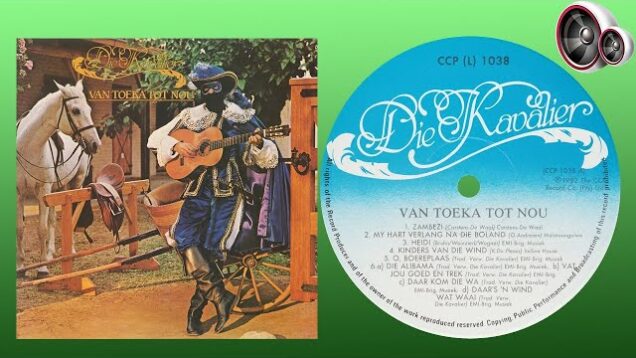
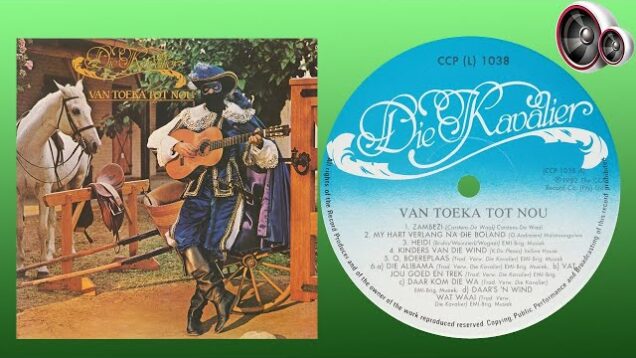
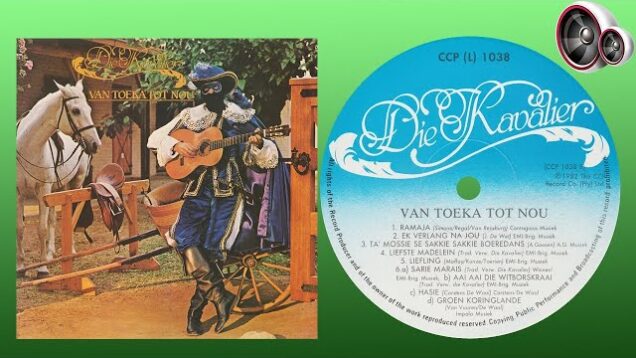
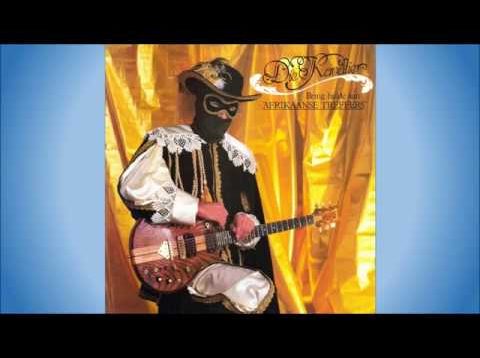
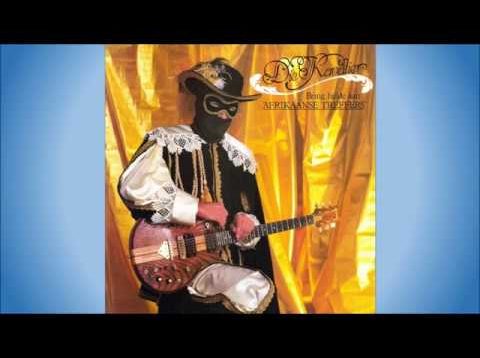
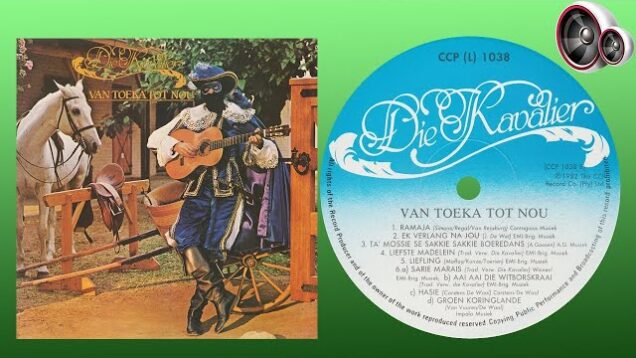
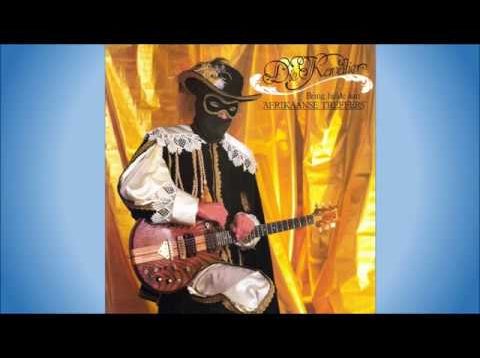
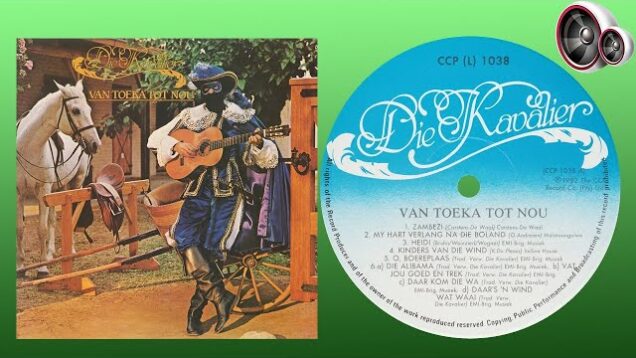
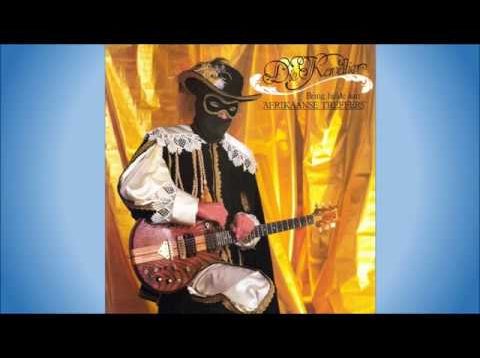
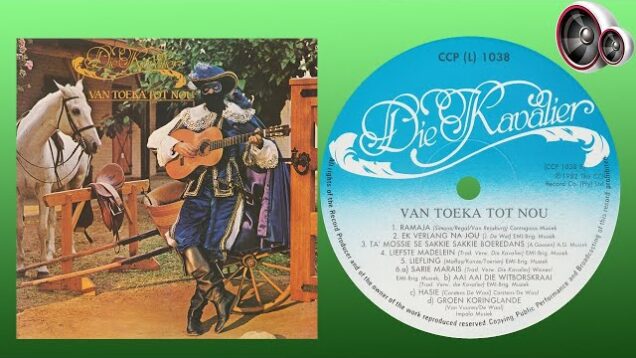
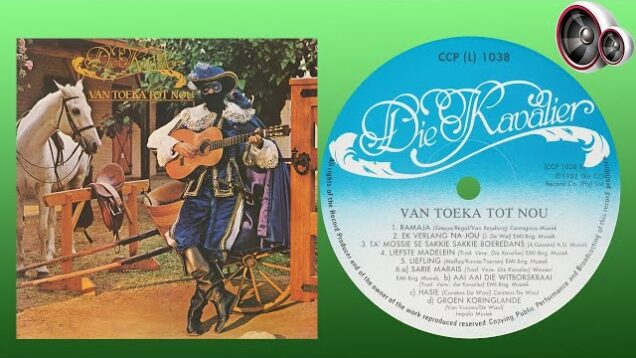
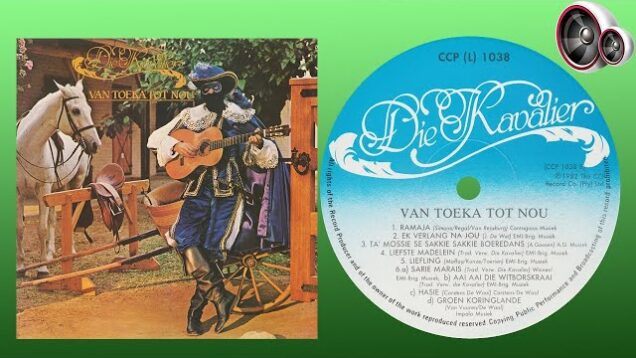
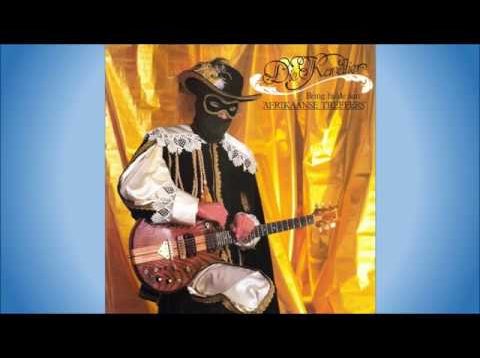
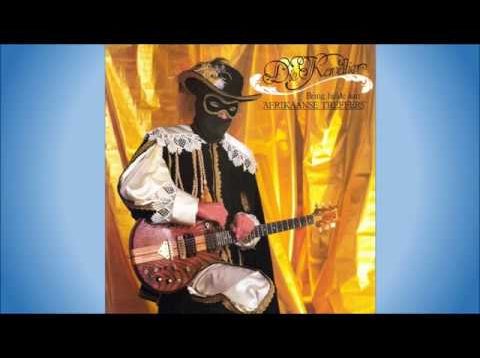
Die Kavalier is a pseudonym used by South African artist, Malcolm Watson, better known as the lead guitarist with The Rising Sons, a group formed in Pietermaritzburg in 1966 by Rod Kielly (lead vocals), Andy White (bass, ex Vampires), Gerard Hawes (keyboards, harmonica, guitar), Dave Campbell (drums) and Watson. The Rising Sons had a number of South African Top 20 hits, with "How do you do" going to #4 in 1972 and "Going down Jordan" to #7 in 1973. Malcolm Watson was born in Zambia, but emigrated to South Africa with his parents as a child. He started his first group, The Statesmen, while still in high school, thereafter joining The Rising Sons for 6 years. He then moved on to the short-lived group, The Music Corporation, before embarking on a solo career as Mally, subsequently releasing a number of 7” singles, including Louie Louie / There Are More Questions Than Answers (1973), This Is Sunshine Music / Show Me The Way (1974), and Beat Hard Young Man / Feel The Rhythm (as Mally Watson & Tom Vuma). In 1980 he decided to record an instrumental album using his favourite instrument, the guitar. As the album was targeted at the Afrikaans community, and as he was uncomfortable with speaking the language, this posed a problem came time for interviews and such. He then decided to wear a mask and to keep his identity a secret, and Die Kavalier was born. After 9 successful albums and many live appearances, his popularity began to wane, and he continued his career behind the scenes as a producer. His last live appearance was at the 1989 “Keep It Country Show” at the Rand Show in Johannesburg. This song is off the album “Die Kavalier Bring Hulde Aan Afrikaanse Treffers”, released in 1984.
Die Kavalier – Ek verlang na jou
0
03:06

Die Kavalier – Ek verlang na jou

Malcolm Watson is in Zambië gebore en het as kind saam met sy ouers na Suid-Afrika gekom. As tiener op hoërskool het hy sy eerste groep, The Statesmen, in Pietermaritzburg gestig, en was na skool vir 6 jaar lank lid van die baie gewilde groep, The Rising Sons. Hulle het Suid-Afrikaanse Top 20 treffers gehad […]
Die Kavalier – Heidi
0
02:48

Die Kavalier – Heidi

Malcolm Watson is in Zambië gebore en het as kind saam met sy ouers na Suid-Afrika gekom. As tiener op hoërskool het hy sy eerste groep, The Statesmen, in Pietermaritzburg gestig, en was na skool vir 6 jaar lank lid van die baie gewilde groep, The Rising Sons. Hulle het Suid-Afrikaanse Top 20 treffers gehad […]
Die Kavalier – Kinders van die wind
0
02:23

Die Kavalier – Kinders van die wind

Malcolm Watson is in Zambië gebore en het as kind saam met sy ouers na Suid-Afrika gekom. As tiener op hoërskool het hy sy eerste groep, The Statesmen, in Pietermaritzburg gestig, en was na skool vir 6 jaar lank lid van die baie gewilde groep, The Rising Sons. Hulle het Suid-Afrikaanse Top 20 treffers gehad […]
Die Kavalier – Klein Karoo
0
03:44

Die Kavalier – Klein Karoo

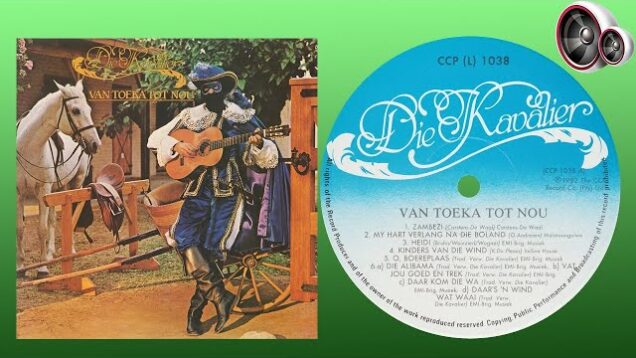
Die Kavalier is a pseudonym used by South African artist, Malcolm Watson, better known as the lead guitarist with The Rising Sons, a group formed in Pietermaritzburg in 1966 by Rod Kielly (lead vocals), Andy White (bass, ex Vampires), Gerard Hawes (keyboards, harmonica, guitar), Dave Campbell (drums) and Watson. The Rising Sons had a number of South African Top 20 hits, with "How do you do" going to #4 in 1972 and "Going down Jordan" to #7 in 1973. Malcolm Watson was born in Zambia, but emigrated to South Africa with his parents as a child. He started his first group, The Statesmen, while still in high school, thereafter joining The Rising Sons for 6 years. He then moved on to the short-lived group, The Music Corporation, before embarking on a solo career as Mally, subsequently releasing a number of 7” singles, including Louie Louie / There Are More Questions Than Answers (1973), This Is Sunshine Music / Show Me The Way (1974), and Beat Hard Young Man / Feel The Rhythm (as Mally Watson & Tom Vuma). In 1980 he decided to record an instrumental album using his favourite instrument, the guitar. As the album was targeted at the Afrikaans community, and as he was uncomfortable with speaking the language, this posed a problem came time for interviews and such. He then decided to wear a mask and to keep his identity a secret, and Die Kavalier was born. After 9 successful albums and many live appearances, his popularity began to wane, and he continued his career behind the scenes as a producer. His last live appearance was at the 1989 “Keep It Country Show” at the Rand Show in Johannesburg. This song is off the album “Die Kavalier Bring Hulde Aan Afrikaanse Treffers”, released in 1984.
Die Kavalier – Liefling
0
02:30

Die Kavalier – Liefling

Malcolm Watson is in Zambië gebore en het as kind saam met sy ouers na Suid-Afrika gekom. As tiener op hoërskool het hy sy eerste groep, The Statesmen, in Pietermaritzburg gestig, en was na skool vir 6 jaar lank lid van die baie gewilde groep, The Rising Sons. Hulle het Suid-Afrikaanse Top 20 treffers gehad […]
Die Kavalier – Liefste Madelein
0
03:14

Die Kavalier – Liefste Madelein

Malcolm Watson is in Zambië gebore en het as kind saam met sy ouers na Suid-Afrika gekom. As tiener op hoërskool het hy sy eerste groep, The Statesmen, in Pietermaritzburg gestig, en was na skool vir 6 jaar lank lid van die baie gewilde groep, The Rising Sons. Hulle het Suid-Afrikaanse Top 20 treffers gehad […]
Die Kavalier – Mallemeule
0
03:18

Die Kavalier – Mallemeule

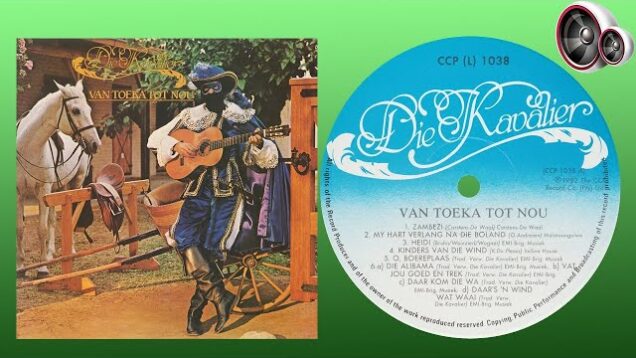
Die Kavalier is a pseudonym used by South African artist, Malcolm Watson, better known as the lead guitarist with The Rising Sons, a group formed in Pietermaritzburg in 1966 by Rod Kielly (lead vocals), Andy White (bass, ex Vampires), Gerard Hawes (keyboards, harmonica, guitar), Dave Campbell (drums) and Watson. The Rising Sons had a number of South African Top 20 hits, with "How do you do" going to #4 in 1972 and "Going down Jordan" to #7 in 1973. Malcolm Watson was born in Zambia, but emigrated to South Africa with his parents as a child. He started his first group, The Statesmen, while still in high school, thereafter joining The Rising Sons for 6 years. He then moved on to the short-lived group, The Music Corporation, before embarking on a solo career as Mally, subsequently releasing a number of 7” singles, including Louie Louie / There Are More Questions Than Answers (1973), This Is Sunshine Music / Show Me The Way (1974), and Beat Hard Young Man / Feel The Rhythm (as Mally Watson & Tom Vuma). In 1980 he decided to record an instrumental album using his favourite instrument, the guitar. As the album was targeted at the Afrikaans community, and as he was uncomfortable with speaking the language, this posed a problem came time for interviews and such. He then decided to wear a mask and to keep his identity a secret, and Die Kavalier was born. After 9 successful albums and many live appearances, his popularity began to wane, and he continued his career behind the scenes as a producer. His last live appearance was at the 1989 “Keep It Country Show” at the Rand Show in Johannesburg. This song is off the album “Die Kavalier Bring Hulde Aan Afrikaanse Treffers”, released in 1984.
Die Kavalier – Mooi Griekeland
0
03:43

Die Kavalier – Mooi Griekeland

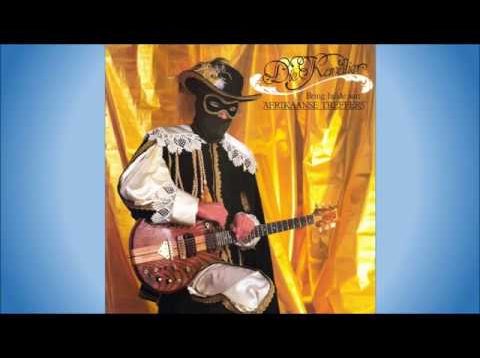
Die Kavalier is a pseudonym used by South African artist, Malcolm Watson, better known as the lead guitarist with The Rising Sons, a group formed in Pietermaritzburg in 1966 by Rod Kielly (lead vocals), Andy White (bass, ex Vampires), Gerard Hawes (keyboards, harmonica, guitar), Dave Campbell (drums) and Watson. The Rising Sons had a number of South African Top 20 hits, with "How do you do" going to #4 in 1972 and "Going down Jordan" to #7 in 1973. Malcolm Watson was born in Zambia, but emigrated to South Africa with his parents as a child. He started his first group, The Statesmen, while still in high school, thereafter joining The Rising Sons for 6 years. He then moved on to the short-lived group, The Music Corporation, before embarking on a solo career as Mally, subsequently releasing a number of 7” singles, including Louie Louie / There Are More Questions Than Answers (1973), This Is Sunshine Music / Show Me The Way (1974), and Beat Hard Young Man / Feel The Rhythm (as Mally Watson & Tom Vuma). In 1980 he decided to record an instrumental album using his favourite instrument, the guitar. As the album was targeted at the Afrikaans community, and as he was uncomfortable with speaking the language, this posed a problem came time for interviews and such. He then decided to wear a mask and to keep his identity a secret, and Die Kavalier was born. After 9 successful albums and many live appearances, his popularity began to wane, and he continued his career behind the scenes as a producer. His last live appearance was at the 1989 “Keep It Country Show” at the Rand Show in Johannesburg. This song is off the album “Die Kavalier Bring Hulde Aan Afrikaanse Treffers”, released in 1984.
Die Kavalier – My hart verlang na die Boland
0
02:14

Die Kavalier – My hart verlang na die Boland

Malcolm Watson is in Zambië gebore en het as kind saam met sy ouers na Suid-Afrika gekom. As tiener op hoërskool het hy sy eerste groep, The Statesmen, in Pietermaritzburg gestig, en was na skool vir 6 jaar lank lid van die baie gewilde groep, The Rising Sons. Hulle het Suid-Afrikaanse Top 20 treffers gehad […]
Die Kavalier – O, boereplaas
0
02:07

Die Kavalier – O, boereplaas

Malcolm Watson is in Zambië gebore en het as kind saam met sy ouers na Suid-Afrika gekom. As tiener op hoërskool het hy sy eerste groep, The Statesmen, in Pietermaritzburg gestig, en was na skool vir 6 jaar lank lid van die baie gewilde groep, The Rising Sons. Hulle het Suid-Afrikaanse Top 20 treffers gehad […]
Die Kavalier – Ramaja
0
02:27

Die Kavalier – Ramaja

Malcolm Watson is in Zambië gebore en het as kind saam met sy ouers na Suid-Afrika gekom. As tiener op hoërskool het hy sy eerste groep, The Statesmen, in Pietermaritzburg gestig, en was na skool vir 6 jaar lank lid van die baie gewilde groep, The Rising Sons. Hulle het Suid-Afrikaanse Top 20 treffers gehad […]
Die Kavalier – Sewe sakke sout
0
02:14

Die Kavalier – Sewe sakke sout

Die Kavalier is a pseudonym used by South African artist, Malcolm Watson, better known as the lead guitarist with The Rising Sons, a group formed in Pietermaritzburg in 1966 by Rod Kielly (lead vocals), Andy White (bass, ex Vampires), Gerard Hawes (keyboards, harmonica, guitar), Dave Campbell (drums) and Watson. The Rising Sons had a number of South African Top 20 hits, with "How do you do" going to #4 in 1972 and "Going down Jordan" to #7 in 1973. Malcolm Watson was born in Zambia, but emigrated to South Africa with his parents as a child. He started his first group, The Statesmen, while still in high school, thereafter joining The Rising Sons for 6 years. He then moved on to the short-lived group, The Music Corporation, before embarking on a solo career as Mally, subsequently releasing a number of 7” singles, including Louie Louie / There Are More Questions Than Answers (1973), This Is Sunshine Music / Show Me The Way (1974), and Beat Hard Young Man / Feel The Rhythm (as Mally Watson & Tom Vuma). In 1980 he decided to record an instrumental album using his favourite instrument, the guitar. As the album was targeted at the Afrikaans community, and as he was uncomfortable with speaking the language, this posed a problem came time for interviews and such. He then decided to wear a mask and to keep his identity a secret, and Die Kavalier was born. After 9 successful albums and many live appearances, his popularity began to wane, and he continued his career behind the scenes as a producer. His last live appearance was at the 1989 “Keep It Country Show” at the Rand Show in Johannesburg. This song is off the album “Die Kavalier Bring Hulde Aan Afrikaanse Treffers”, released in 1984.
Die Kavalier – Sproetjies
0
03:43

Die Kavalier – Sproetjies

Die Kavalier is a pseudonym used by South African artist, Malcolm Watson, better known as the lead guitarist with The Rising Sons, a group formed in Pietermaritzburg in 1966 by Rod Kielly (lead vocals), Andy White (bass, ex Vampires), Gerard Hawes (keyboards, harmonica, guitar), Dave Campbell (drums) and Watson. The Rising Sons had a number of South African Top 20 hits, with "How do you do" going to #4 in 1972 and "Going down Jordan" to #7 in 1973. Malcolm Watson was born in Zambia, but emigrated to South Africa with his parents as a child. He started his first group, The Statesmen, while still in high school, thereafter joining The Rising Sons for 6 years. He then moved on to the short-lived group, The Music Corporation, before embarking on a solo career as Mally, subsequently releasing a number of 7” singles, including Louie Louie / There Are More Questions Than Answers (1973), This Is Sunshine Music / Show Me The Way (1974), and Beat Hard Young Man / Feel The Rhythm (as Mally Watson & Tom Vuma). In 1980 he decided to record an instrumental album using his favourite instrument, the guitar. As the album was targeted at the Afrikaans community, and as he was uncomfortable with speaking the language, this posed a problem came time for interviews and such. He then decided to wear a mask and to keep his identity a secret, and Die Kavalier was born. After 9 successful albums and many live appearances, his popularity began to wane, and he continued his career behind the scenes as a producer. His last live appearance was at the 1989 “Keep It Country Show” at the Rand Show in Johannesburg. This song is off the album “Die Kavalier Bring Hulde Aan Afrikaanse Treffers”, released in 1984.
Die Kavalier – Ta’ Mossie se sakkie sakkie boeredans
0
02:09

Die Kavalier – Ta’ Mossie se sakkie sakkie boeredans

Malcolm Watson is in Zambië gebore en het as kind saam met sy ouers na Suid-Afrika gekom. As tiener op hoërskool het hy sy eerste groep, The Statesmen, in Pietermaritzburg gestig, en was na skool vir 6 jaar lank lid van die baie gewilde groep, The Rising Sons. Hulle het Suid-Afrikaanse Top 20 treffers gehad […]
Die Kavalier – Trein na Matjiesfontein
0
02:54

Die Kavalier – Trein na Matjiesfontein

Die Kavalier is a pseudonym used by South African artist, Malcolm Watson, better known as the lead guitarist with The Rising Sons, a group formed in Pietermaritzburg in 1966 by Rod Kielly (lead vocals), Andy White (bass, ex Vampires), Gerard Hawes (keyboards, harmonica, guitar), Dave Campbell (drums) and Watson. The Rising Sons had a number of South African Top 20 hits, with "How do you do" going to #4 in 1972 and "Going down Jordan" to #7 in 1973. Malcolm Watson was born in Zambia, but emigrated to South Africa with his parents as a child. He started his first group, The Statesmen, while still in high school, thereafter joining The Rising Sons for 6 years. He then moved on to the short-lived group, The Music Corporation, before embarking on a solo career as Mally, subsequently releasing a number of 7” singles, including Louie Louie / There Are More Questions Than Answers (1973), This Is Sunshine Music / Show Me The Way (1974), and Beat Hard Young Man / Feel The Rhythm (as Mally Watson & Tom Vuma). In 1980 he decided to record an instrumental album using his favourite instrument, the guitar. As the album was targeted at the Afrikaans community, and as he was uncomfortable with speaking the language, this posed a problem came time for interviews and such. He then decided to wear a mask and to keep his identity a secret, and Die Kavalier was born. After 9 successful albums and many live appearances, his popularity began to wane, and he continued his career behind the scenes as a producer. His last live appearance was at the 1989 “Keep It Country Show” at the Rand Show in Johannesburg. This song is off the album “Die Kavalier Bring Hulde Aan Afrikaanse Treffers”, released in 1984.
Die Kavalier – Vyfster
0
03:11

Die Kavalier – Vyfster

Die Kavalier is a pseudonym used by South African artist, Malcolm Watson, better known as the lead guitarist with The Rising Sons, a group formed in Pietermaritzburg in 1966 by Rod Kielly (lead vocals), Andy White (bass, ex Vampires), Gerard Hawes (keyboards, harmonica, guitar), Dave Campbell (drums) and Watson. The Rising Sons had a number of South African Top 20 hits, with "How do you do" going to #4 in 1972 and "Going down Jordan" to #7 in 1973. Malcolm Watson was born in Zambia, but emigrated to South Africa with his parents as a child. He started his first group, The Statesmen, while still in high school, thereafter joining The Rising Sons for 6 years. He then moved on to the short-lived group, The Music Corporation, before embarking on a solo career as Mally, subsequently releasing a number of 7” singles, including Louie Louie / There Are More Questions Than Answers (1973), This Is Sunshine Music / Show Me The Way (1974), and Beat Hard Young Man / Feel The Rhythm (as Mally Watson & Tom Vuma). In 1980 he decided to record an instrumental album using his favourite instrument, the guitar. As the album was targeted at the Afrikaans community, and as he was uncomfortable with speaking the language, this posed a problem came time for interviews and such. He then decided to wear a mask and to keep his identity a secret, and Die Kavalier was born. After 9 successful albums and many live appearances, his popularity began to wane, and he continued his career behind the scenes as a producer. His last live appearance was at the 1989 “Keep It Country Show” at the Rand Show in Johannesburg. This song is off the album “Die Kavalier Bring Hulde Aan Afrikaanse Treffers”, released in 1984.
Die Kavalier – Zambezi
0
02:02

Die Kavalier – Zambezi

Malcolm Watson is in Zambië gebore en het as kind saam met sy ouers na Suid-Afrika gekom. As tiener op hoërskool het hy sy eerste groep, The Statesmen, in Pietermaritzburg gestig, en was na skool vir 6 jaar lank lid van die baie gewilde groep, The Rising Sons. Hulle het Suid-Afrikaanse Top 20 treffers gehad […]
Die Mellotones – ‘n Moeder so lieflik soos jy
0
02:15

Die Mellotones – ‘n Moeder so lieflik soos jy

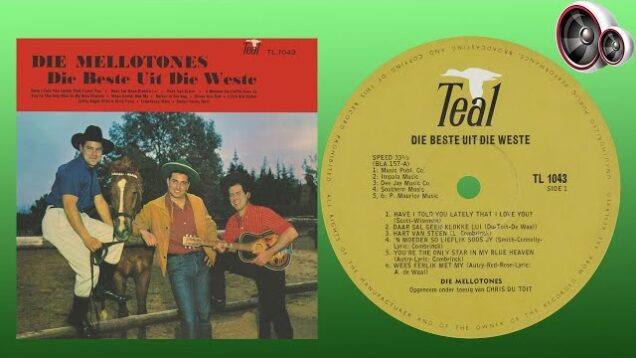
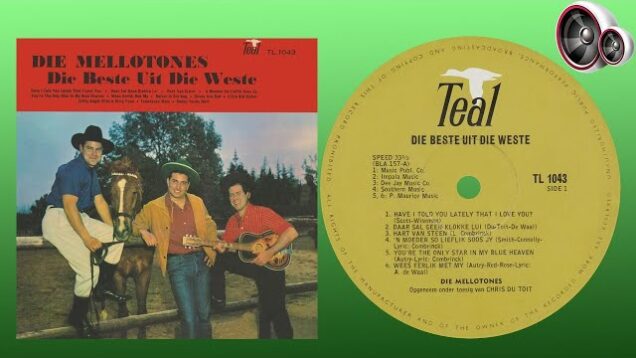
Die Mellotones (aanvanklik bekend as die Drie Mellotones) het bestaan uit Leonard “Len” Bobrow, Esky Jawitz en Al Mazin. Hulle het mekaar een aand op ‘n partytjie ontmoet, ‘n paar liedjies saam gesing en net daar besluit om ‘n sang trio te vorm. Hulle het in talle verskeidenheidskonserte opgetree, o.a. “Verskeidenheid Onder Die Sterre”, wat […]
Die Mellotones – Daar sal geen klokke lui
0
02:29

Die Mellotones – Daar sal geen klokke lui

Die Mellotones (aanvanklik bekend as die Drie Mellotones) het bestaan uit Leonard “Len” Bobrow, Esky Jawitz en Al Mazin. Hulle het mekaar een aand op ‘n partytjie ontmoet, ‘n paar liedjies saam gesing en net daar besluit om ‘n sang trio te vorm. Hulle het in talle verskeidenheidskonserte opgetree, o.a. “Verskeidenheid Onder Die Sterre”, wat […]
Die Mellotones – Die liefste klein sussie van my (Little kid sister)
0
02:18

Die Mellotones – Die liefste klein sussie van my (Little kid sister)

Die Mellotones (aanvanklik bekend as die Drie Mellotones) het bestaan uit Leonard “Len” Bobrow, Esky Jawitz en Al Mazin. Hulle het mekaar een aand op ‘n partytjie ontmoet, ‘n paar liedjies saam gesing en net daar besluit om ‘n sang trio te vorm. Hulle het in talle verskeidenheidskonserte opgetree, o.a. “Verskeidenheid Onder Die Sterre”, wat […]
Die Mellotones – Hart van steen
0
02:05

Die Mellotones – Hart van steen

Die Mellotones (aanvanklik bekend as die Drie Mellotones) het bestaan uit Leonard “Len” Bobrow, Esky Jawitz en Al Mazin. Hulle het mekaar een aand op ‘n partytjie ontmoet, ‘n paar liedjies saam gesing en net daar besluit om ‘n sang trio te vorm. Hulle het in talle verskeidenheidskonserte opgetree, o.a. “Verskeidenheid Onder Die Sterre”, wat […]
Die Mellotones – Honky tonky hart
0
02:05

Die Mellotones – Honky tonky hart

Die Mellotones (aanvanklik bekend as die Drie Mellotones) het bestaan uit Leonard “Len” Bobrow, Esky Jawitz en Al Mazin. Hulle het mekaar een aand op ‘n partytjie ontmoet, ‘n paar liedjies saam gesing en net daar besluit om ‘n sang trio te vorm. Hulle het in talle verskeidenheidskonserte opgetree, o.a. “Verskeidenheid Onder Die Sterre”, wat […]